2 de juny de 2026
Un taller amb Hamaca
1-6 de juny al Centre Cultural d'Espanya a Mèxic (CDMX)
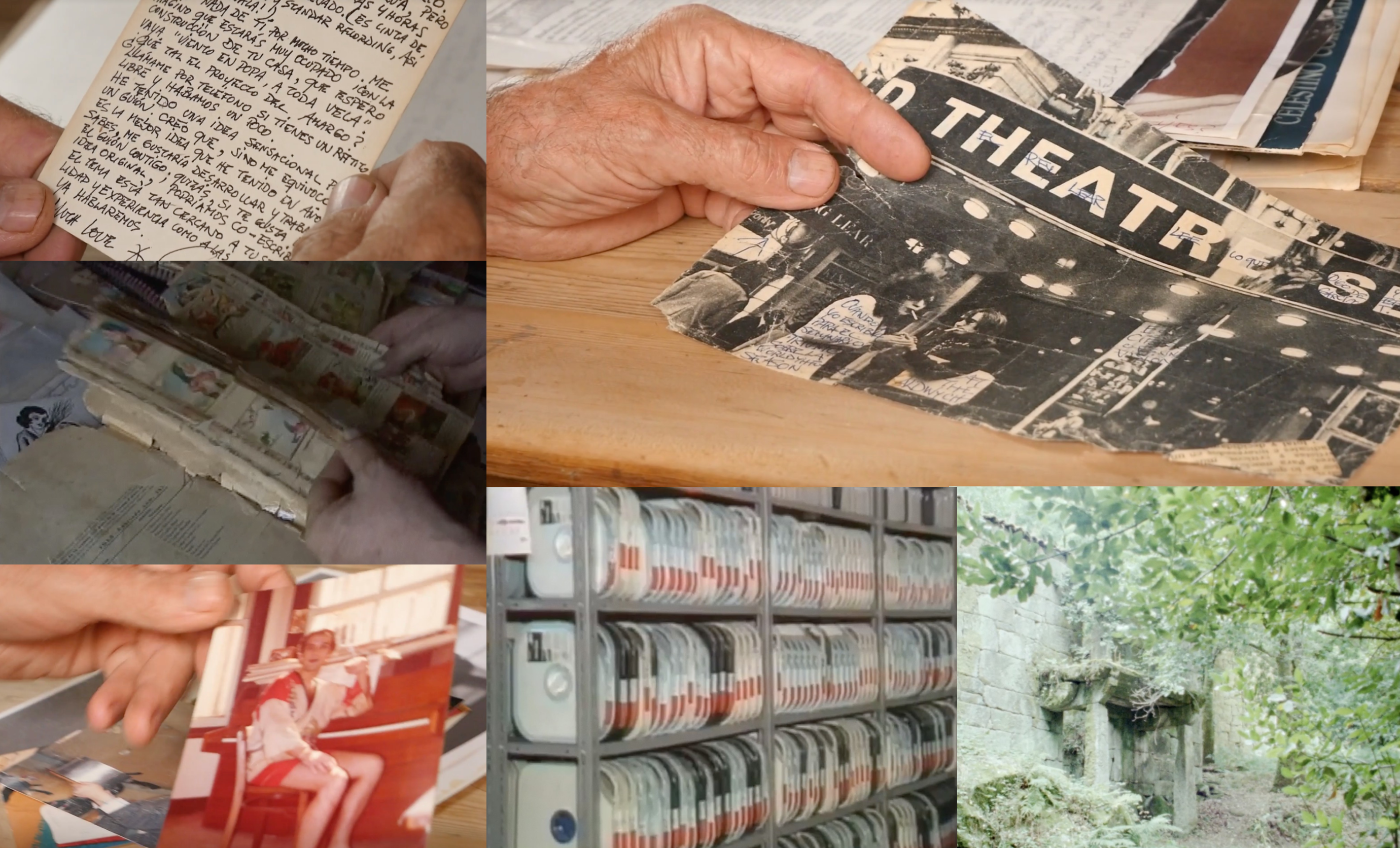
Cuidar nuestra(s) historia(s): cómo crear un archivo independiente cerca contagiar el gaudi cap a les tasques i potències d'arxivar, estimulant la creativitat i traçant plans perquè aquests arxius puguin convertir-se en béns per a la vida comuna. És un taller centrat en pràctiques arxivístiques des de fora de la institució o homologació. Encara que seran esmentats modes institucionals de fer arxiu, l'objectiu d'aquest espai és pensar propostes independents a ells, pràctiques autònomes, experimentals i independents.
Els arxius custodien la nostra memòria, afavoreixen configuracions de com ens comprenem i ajuden a recordar com hem arribat fins al present. Existeixen molts tipus d'arxius i, probablement, els que primer arriben a la ment són aquells que conserven documentació administrativa, obres d'art o materials d'un valor patrimonial oficialment reconegut. Però també existeixen arxius de caràcter més popular: arxius de diaris, arxius de materials relatius a un estil de música, arxius de les memòries de col·lectius minoritaris... Les possibilitats d'un arxiu són infinites. Els arxius més populars o independents i els seus materials, pel seu caràcter poc freqüent, solen ser relegats de les prioritats institucionals i solen començar a acumular-se més aviat per l'entusiasme i afany d'iniciatives petites, personals o comunitàries. I encara que aquestes iniciatives són perifèriques, amb el pas dels anys acaben sent fonamentals per a comprendre el passat més enllà de la síntesi o propòsits dels relats oficials. Un exemple per a il·lustrar aquest cas és la importància de les correspondències personals, materials que en el seu moment van ser conservats més per afecte o intuïció i que serveixen, ara, per a contrastar informació històrica.
Els arxius institucionals segueixen directrius d'organitzacions supranacionals i estatals per a nomenar, catalogar i disposar els seus materials. Els arxius independents, no obstant això, tenen l'oportunitat de considerar quines eines institucionals de la catalogació els serveixen, i què prefereixen fer d'una altra manera. Des d'aquesta potència de la imaginació, sumada a una perspectiva d'accessibilitat, digitalització i de generació d'eines per al comú, aquesta formació repassa els elements necessaris perquè un arxiu independent sigui manejable, sostenible, consultable i activable.
Programa
Dirigit a: gestors/as culturals, artistes, investigadors/as, educadors/as, bibliotecaris/as, funcionaris/as públics i qualsevol persona o organització interessada. No és necessari tenir coneixements específics, però sí interès per pensar o treballar entorn d'algun projecte arxivístic en particular.
Data i horari: 2-5 de juny de 11:00 a 14:00 h. 6 de juny de 11:00 a 15:00 h.
Lloc: Centro Cultural de España en México (CDMX)
Preu: Gratuït