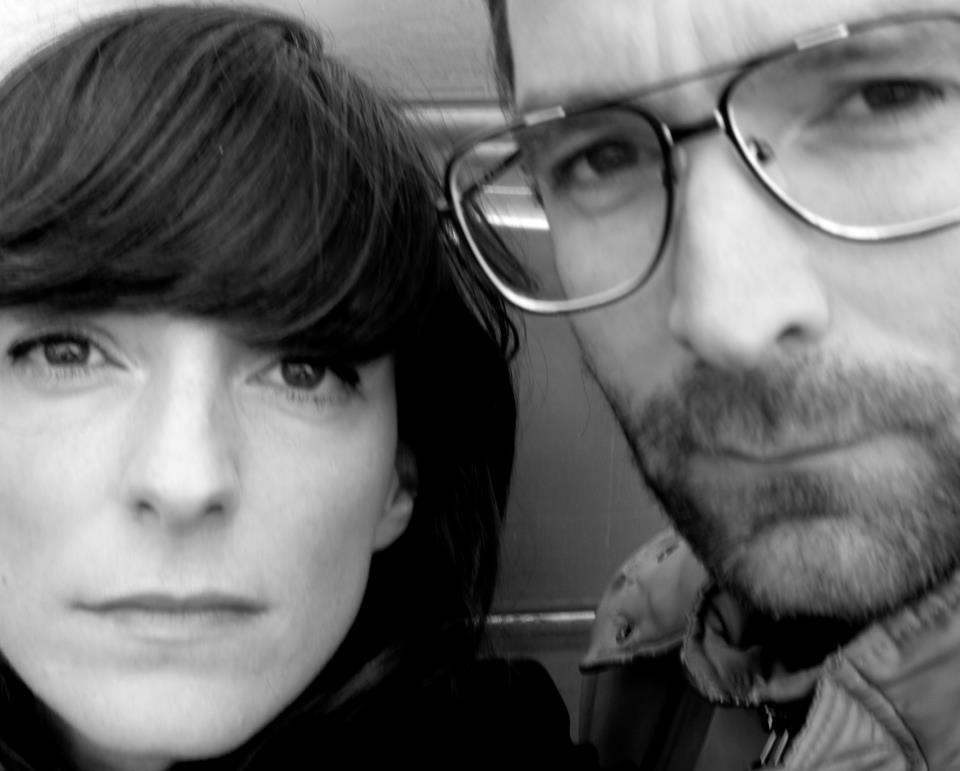
Usue Arrieta (Arrasate, Guipúscoa, 1979) i Vicente Vázquez (Tarragona 1976) es coneixen a la Facultat de Belles Arts de Conca i comencen a col·laborar en el 2003 sota el nom weareQQ. La seva producció és multidisciplinària, ja que engloba formats com el vídeo, la instal·lació o la intervenció pública. Tanmateix, sovint utilitzen el mitjà audiovisual com a exercici de redefinició dels espais socials que determinen aspectes polítics, ideològics i econòmics de l’entorn quotidià. Així, entenen la seva pràctica com una manera d’experimentar les possibilitats del col·lectiu i de generar reflexions al voltant del lloc i de les relacions que s’hi estableixen en el món actual.
La seva producció audiovisual té un paper molt important —encara que no exclusiu— en la seva trajectòria artística, amb títols com El enemigo (2010), La boca (2010), Canedo (2010), La Huesera (2011) o la serie Oficios preventivos (2005-2006). En paral·lel al desenvolupament de la seva obra, exhibida en exposicions individuals i col·lectives, festivals i filmoteques tant a Espanya com a l'estranger, amb weareQQ han impartit conferències i tallers en centres de creació i universitats. Fins al 2013, els seus projectes han estat fortament vinculats al territori. A través del ciclisme de velòdrom (Going in circles, Seoul Art Space Geumcheon) i de muntanya (La vuelta España a su paso por Picos de Europa i, més recentment, el Tour de Francia), o de pràctiques quasi esportives com les curses de goitibeheras i l’aeromodelisme a Euskal Herria (Goitik behera, behetik gora dins X Films al Festival Punto de Vista 2012), han reflexionat sobre la materialitat de les relacions de producció postindustrials. Entre 2012 i 2013 van treballar a Erzberg, una mina de ferro a cel obert als Alps austríacs, per donar forma a la seva participació a l’exposició Contra Tàpies. També van preparar una exposició individual al voltant de les ocupacions multitudinàries dels Pirineus, que es va presentar a l’Espai 13 de la Fundació Joan Miró el 2013. A més, van iniciar un intercanvi amb l’oficina curatorial Ribete, del qual en va resultar l’exposició Resonance, al costat de Faivovich and Goldberg i The Agency, al Goethe Institute Wyoming Building de Nova York, dues peces de vídeo al 98 Weeks de Beirut, i el text "CA-NE-DON", publicat a Territorios y Fronteras. Experiencias documentales contemporáneas, editat per la EHU.
Com a expansió de la seva pràctica col·laborativa, el 2013 van cofundar Tractora Koop. E., una cooperativa d’artistes basada en el model operatiu de les cooperatives de camioners. A més de contribuir a la concepció, producció i distribució de projectes artístics individuals, l’activitat de Tractora s’ha expandit cap a la producció de projectes col·lectius, en què participen els diferents membres, com un pas més en la reflexió interna que l’equip ha dut a terme entorn del treball en l’art, els mitjans de producció, la funció social i la praxi de l’artista contemporani.
A la base de la seva que treball jeu l'interès per reflexionar sobre la capacitat de la pràctica de l'art d'intervenir en les estructures mateixes que la sustenten. Així, per exemple, en els seus projectes tendeixen a relacionar-se amb els individus, les comunitats i els llocs que conformen els contextos en els quals es desenvolupen, amb la voluntat d'evidenciar els vincles que els inter-relacionen i tractar d'activar transformacions. El seu modus operandi respon a certa lògica heurística; conjuguen el tempteig i l'accidental amb l'estricta planificació, en una sort de guió que conjumina experiència i ficció.